Vision, Philosophy and Principles
Hope Street Youth & Family Services is a not-for-profit organisation based in the Northern and Western growth corridors of Naarm/Melbourne, with more than 45 years’ experience providing compassionate strengths based, client-centered support across their suite of services, to vulnerable young people (aged 16–25) and young families experiencing or at risk of homelessness.
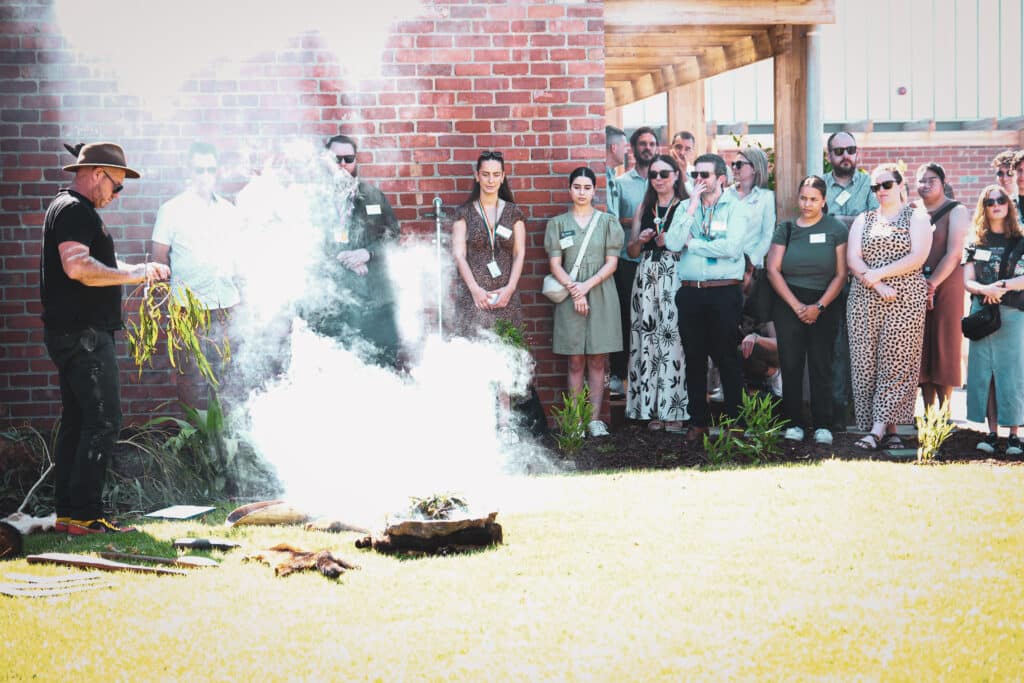
Hope Street’s vision for reconciliation is one where Aboriginal and Torres Strait Islander young people, their children, along with their families, and communities are empowered to maintain and strengthen their connection to Country, culture, and community. Hope Street’s services are located on five different Aboriginal Countries across Naarm/Melbourne:
- Wurundjeri/Willam and Wurundjeri balug and Taungurung – First Response Youth Service in Whittlesea, Youth Reconciliation Program
- Wurundjeri Woi-wurrung – Hope Street in Whittlesea
- Waduwurrong/ Bunurong/ Wurundjeri Country – First Response Youth Service in Melton
- Bunurong and Wadawurrung Country – Hope Street in Melton
- Wurundjeri Woi-Wurrung Country/Brunswick West – Youth Residential Brunswick West, Boost Program, Youth Support Service, Youth Reconciliation Program, Hope Street Head Office
Hope Street offers a suite of specialist youth-focused services designed to empower, support and resource young people and young families experiencing and impacted by homelessness. Hope Street implements a wholistic approach to assessing and responding to the needs of young people, and their children. Hope Street’s program models have been carefully designed to deliver industry led practices that address the complexity of young people’s needs and youth homelessness as a socio-economic and systemic phenomena.
The key elements constituting a successful model in which young people feel safe, have a voice and are empowered to navigate a solution focused pathway to improve their situation, as they determine, includes: the physical environment designed to enhance safety, security and provide comfort; access to resources to be able to action decisions; an approach that values and respects young people’s experiences, diversity, skills, culture, knowledge, and inclusivity. Young people tell us that having a positive relationship with their key worker is also significant to their sense of safety and self-worth which promotes their agency to achieve their goals. These are some of the key elements that influence the highly honed program models and practice approaches of Hope Street, enabling young people to find a way forward to establishing a safe place to call home, which is core to Hope Street’s vision.
OURVISION
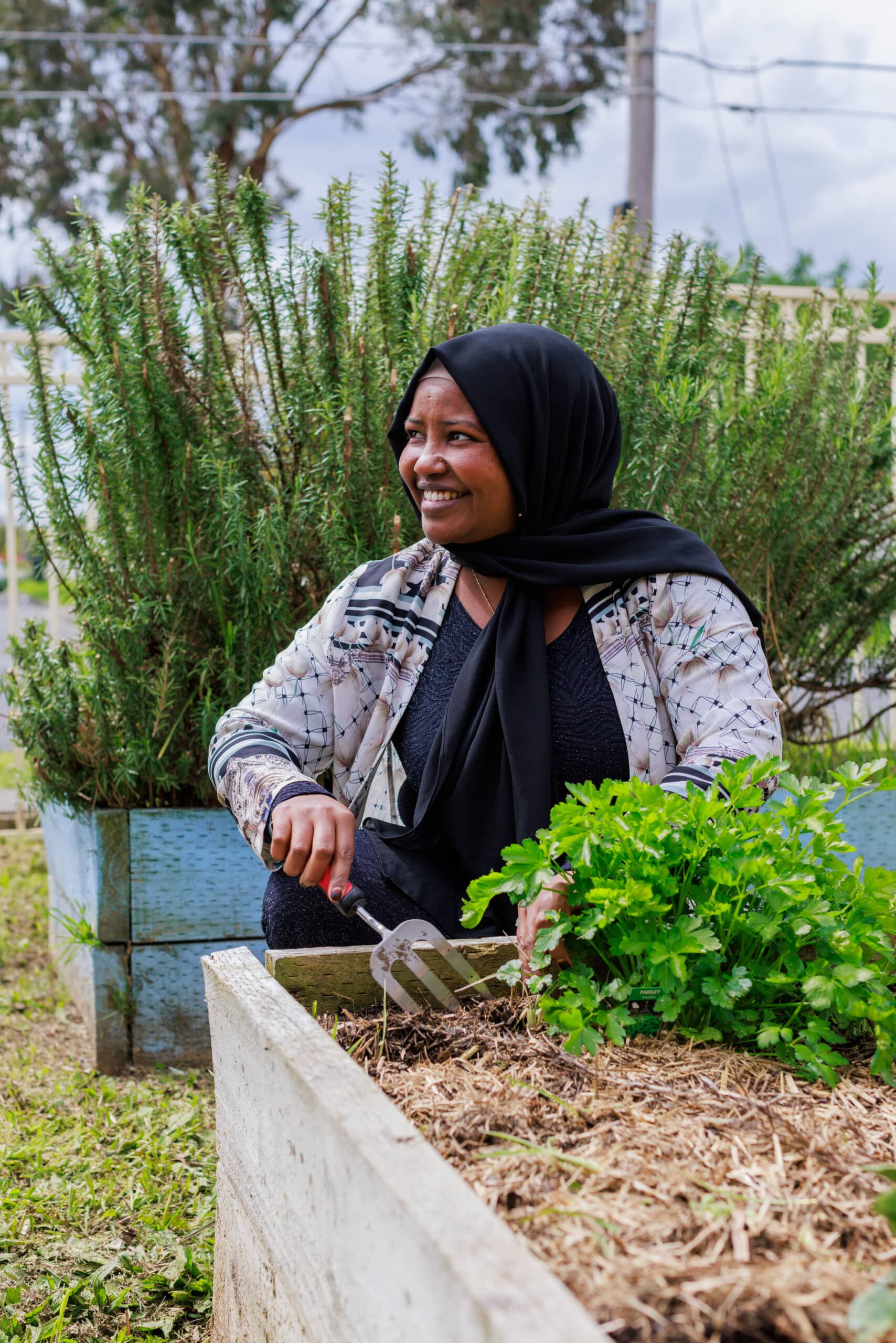
A society in which all young people and young families have a safe place to call home.
OUR PURPOSE
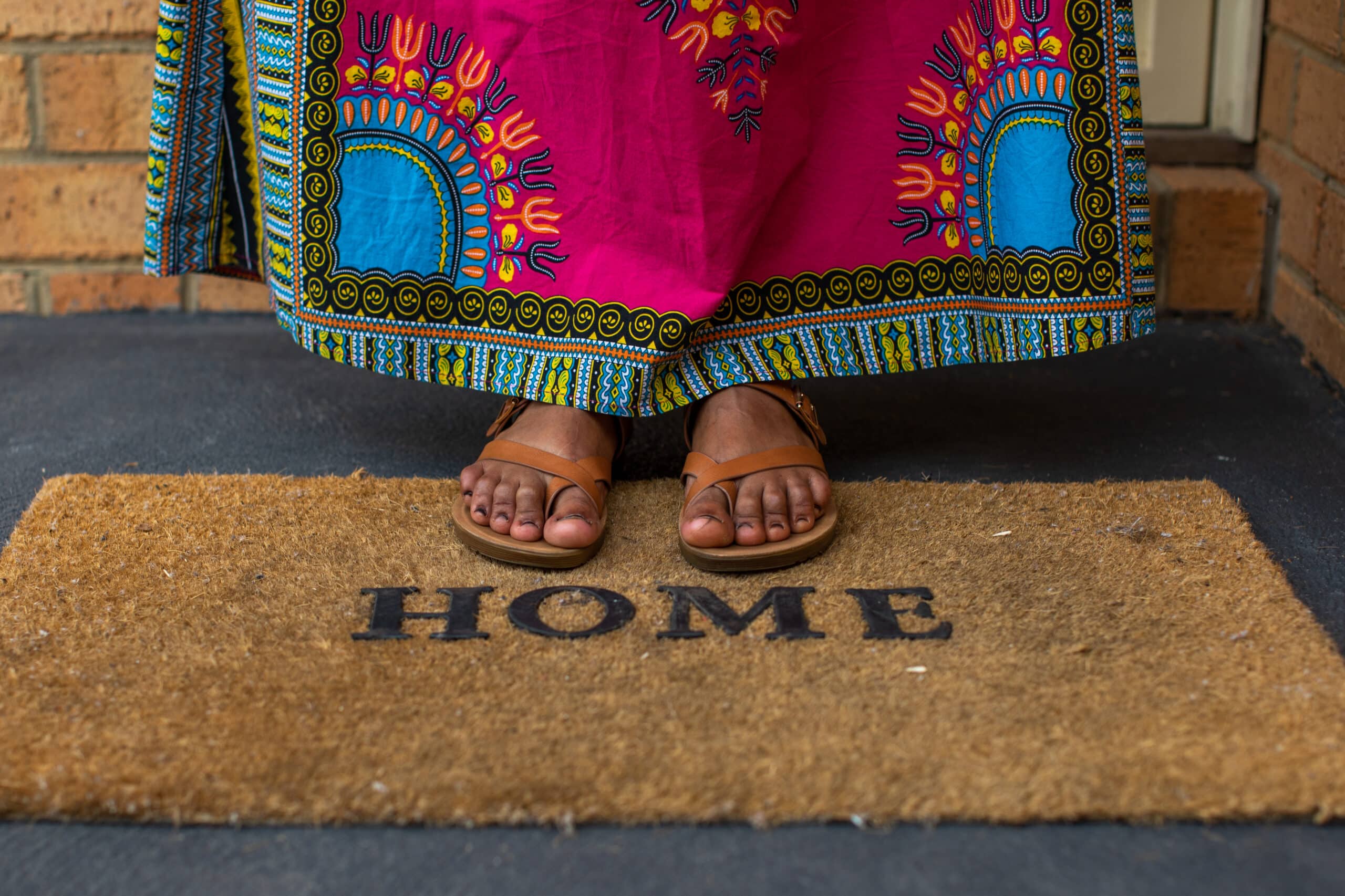
To influence change to end youth homelessness and empower young people and young families to achieve their full potential.

OUR PHILOSOPHY
Resolving homelessness is the responsibility of federal, state and local governments; the community; families and individuals. Hope Street believes that young people have the right to safe, secure, affordable housing and to be treated as equal citizens in our society. This means equal access to resources, decision making, and life options.

OUR VALUES
Fairness Collaboration Social Justice Integrity Diversity Hope
Innovative, responsive service delivery
Hope Street brings more than 45 years of extensive experience supporting young people and young families experiencing homelessness. Our service models are innovative, trauma-informed, client-centred, and strength-based, with a strong focus on working alongside young people in a way that is respectful, relational, and responsive to their individual needs and goals.
Our approach is place-based, recognising that effective responses to youth homelessness must be grounded in the local communities where young people live. We build and maintain strong collaborative partnerships across housing, health, education, and community services to strengthen service responses and improve outcomes for young people and their families. These partnerships are further supported by internal specialist programs, which provide integrated responses to complex needs and family relationships.
Hope Street has a long history of practice leadership and sector development. This includes significant research undertaken in the Whittlesea and Melton local government areas, focusing on youth homelessness in outer growth corridors. This work has informed service innovation, strengthened local responses, and contributed to broader service system reform.
A cornerstone of our service system is the First Response Youth Service, designed specifically to provide immediate, accessible, and youth-focused support for young people experiencing or at risk of homelessness. This service ensures early engagement, rapid response, and clear pathways into appropriate accommodation and support.
Across all programs, Hope Street remains committed to trauma-informed, strengths-based, and person-centred practice that supports safety, stability, and long-term positive outcomes.


Experience & Expertise
Hope Street Youth and Family Services was one of the first crisis accommodation providers for young people in Victoria. With more than 45 years of experience delivering youth-focused programs, Hope Street now operates nine programs across Melbourne’s north-east and north-west regions on Wurundjeri Country. Our core services include youth refuge responses, medium-term (1–2 year) foyer-like models of supported transitional housing, mobile outreach services operating six days a week, youth counselling and family referral services, and partnerships that provide specialist health and mental health services integrated with housing support, including the Homeless Youth Dual Diagnosis Initiative and the Youth Homelessness Community Nurse program.
Hope Street’s commitment to addressing the structural and systemic socio-economic barriers that contribute to youth homelessness complements our servicesHope Street takes strategic and sustained action to influence lasting change, advocating for the establishment of new homelessness and housing services in local communities, contributing to research and government-commissioned consultations (including the Royal Commission into Victoria’s Mental Health System, the Parliamentary Inquiry into Homelessness in Victoria, and Victoria’s 10-Year Social and Affordable Housing Strategy 2021), and advocating for policy reform and increased investment to strengthen responses to youth homelessness.
Hope Street has a strong commitment with First Nation people, maintaining a long-term partnership with Margaret Tucker Hostel, a statewide 24/7 service providing supported crisis accommodation for young Aboriginal and Torres Strait Islander women and their children at risk of homelessness. This collaboration has strengthened referral pathways, supported the establishment of a dedicated First Nations family unit at Hope Street, and led to joint NAIDOC Week celebrations and other activities that enhance cultural safety, recognise and celebrate First Nations people and culture.
Independent evaluation demonstrates the impact of these initiatives by Hope Street. The Social Return on Investment (SROI) Analysis of First Response Youth Service, Melton (2022), commissioned by Hope Street and conducted by Lirata Consulting and Think Impact, assessed the effectiveness and value of the program. The analysis found that the service costs approximately $10,500 per young person and generates $3.14 in social and economic value for every $1 invested. The strongest returns were associated with housing (32% of total value), followed by education, employment and training (23%), and health (20%). Government also receives economic value (19% of total) through savings including reduced welfare payments, and increased income tax receipts.
A separate evaluation: First Response Youth Service (Lirata Consulting, 2022), found the service operates in line with recognised best practice in youth homelessness support, including trauma-informed and young person-centred approaches. Findings that are consistent with successive independent accreditation assessments of Hope Street. The evaluation reported strong outcomes for young people across multiple life domains: 65% improved their housing situation and 61% exited to safe and stable housing; 34% engaged in education or training and 22% in employment; and the majority experienced improvements in health, wellbeing, safety, and community connections. The evaluation concluded that First Response provides a high standard of service delivery and is successfully supporting young people to achieve positive and sustainable life outcomes.
Research and Development
Hope Street has played a key role in research, sector development, and practice innovation in youth homelessness. In the early 2000’s Hope Street established the first metropolitan regional Youth Homelessness Network and contributed to its success for over 10years. Hope Street was integral research reference committee collaborators on Project i, Living Well, Homeless Young People in Melbourne (2000-2005), a longitudinal research study, which heralded a new chapter in evidence-based policy and investment for homelessness systemic reform. As a primary contributor to the Homelessness Youth-Focused Practice Framework (2010), developed with the Victorian Department of Human Services, the organisation helped shape a more responsive, youth-focused service system. The Framework remains embedded in sector-wide training and guides frontline practice, demonstrating ongoing relevance. Hope Street has also achieved full Health and Community Service Standards and Human Services Standards Accreditation, reflecting strong governance and effective service systems, while actively promoting culturally safe practice for Aboriginal and Torres Strait Islander peoples, culturally diverse communities, and the LGBTQIA+ community.
Hope Street works with partners such as RMIT University and AFL SportsReady to provide cadetships and student placements that give emerging youth and social workers practical, hands-on experience in the community services sector. These programs are designed to support students, including First Nations students, by combining education with paid work experience, mentorship, and cultural guidance. Through these partnerships, Hope Street helps build a more diverse, culturally aware, and highly skilled youth services workforce, while giving young people the opportunity to make a real impact in the lives of vulnerable youth.


Commitment to Excellence
Hope Street’s management and staff are committed to delivering responsive, high-quality and comprehensive services to young people experiencing homelessness or at risk of becoming homeless. This commitment is underpinned by specialist expertise in working with young people, with a strong focus on trauma-informed, client-centred and strengths-based practice.
A key focus of our practice development is the ongoing strengthening of specialist knowledge and skills across areas including mental health, accompanying children, young people from culturally and linguistically diverse (CALD) backgrounds, First Nations young people, family violence, alcohol and other drug use, and contemporary youth-specific policy and practice. This ensures our responses remain informed, relevant and effective in meeting the complex and intersecting needs of young people and their families.
Hope Street’s commitment to excellence is supported by:
- The employment of staff with specialist tertiary qualifications in social work, youth work, psychology and related disciplines, alongside ongoing professional development and reflective practice.
- Clear, comprehensive and evidence-informed policies, procedures and systems that guide consistent, high-quality youth-focused practice.
- Strong partnerships and established relationships with community programs and initiatives, enabling well-matched referrals and integrated service responses.
- Dedicated resources to support effective case management and achieve optimal outcomes for young people.
- Robust governance and management systems including financial, people and culture and operational achieving compliance, safety and optimum service delivery responses and outcomes.
- Investment in program leadership, staff supervision, and workforce development to ensure continuous improvement and practice excellence.
Child Safety Commitment
Hope Street Youth and Family Services is committed to creating a safe, inclusive, and supportive environment where children and young people feel respected, valued, and heard. Their safety and wellbeing are at the centre of everything the whole of organisation does.
Hope Street has zero tolerance for child abuse, harm, or exploitation. The team actively work to prevent harm by embedding child safety into our culture, policies, and everyday practice. We create environments where children and young people feel safe, respected, and empowered, and where their rights are upheld.
Hope Street recognise that every child and young person has the right to feel safe and be safe. We actively listen to children and young people and support them to have a voice in decisions that affect them. We recognise the importance of building trust and creating opportunities for participation. We respect young people, value their experiences, recognise their strengths and right to self-determination in all aspects of their life.
Hope Street is deeply committed to equity and inclusion. We promote the cultural safety of Aboriginal and Torres Strait Islander children and young people and strive to provide inclusive and safe environments for children and young people from culturally and linguistically diverse backgrounds, those living with disability, and those who identify as LGBTQIA+. We recognise and respond to the additional needs of children and young people experiencing vulnerability, including homelessness and family violence.
Hope Street pro-actively aims to uphold the following principles in line with the Victorian Child Safe Standards:
- Strong leadership and governance that prioritises child safety and wellbeing.
- A culture that is safe, inclusive, and responsive to the needs of children and young people.
- Clear expectations for staff and volunteers through a Code of Conduct.
- Safe recruitment, screening, and ongoing supervision of staff and volunteers.
- Ongoing training and support to ensure staff understand their child safety responsibilities.
- Processes that enable children and young people to raise concerns and be taken seriously.
- Effective complaint handling and reporting systems.
- A focus on continuous improvement through regular review of policies and practices.
- Risk management strategies to identify and reduce the risk of harm in physical and online environments.
Hope Street ensures that its staff and volunteers are carefully recruited, trained, and supported to uphold child safety. All staff understand their responsibilities to identify and respond to concerns, and to act in the best interests of children and young people at all times.
Children, young people, families, and communities are encouraged to speak up if they feel unsafe or have concerns. Hope Street takes all concerns seriously and responds in a timely, respectful, transparent, and professional way.
Child safety is everyone’s responsibility, and Hope Street is dedicated to continuously strengthening its practices to keep children and young people safe.
National Redress Scheme
Hope Street participates in the National Redress Scheme for survivors of institutional child sexual abuse. The Scheme is open until 30 June 2027.
The program offers monetary payments of up to $150,000, access to counselling, and a direct personal response, such as an apology, for eligible survivors.
Survivors seeking information about the Scheme, including how to apply and access free and confidential Redress Support Services, can visit the National Redress Scheme Resources page or contact the Scheme directly. Support is available by calling 1800 737 377 within Australia (call charges may apply) or +61 6222 3455 from overseas.